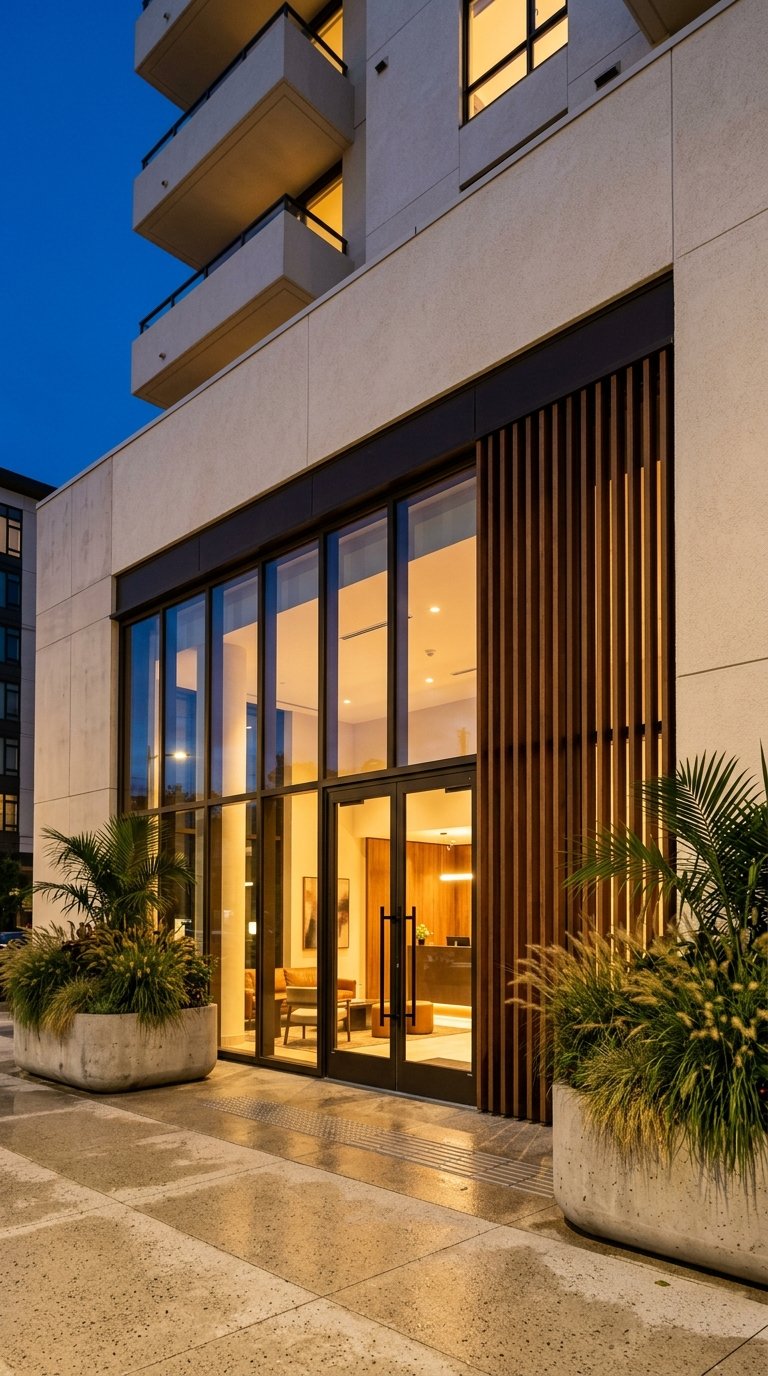
If you love the idea of walkable city living but do not want to guess which downtown neighborhood actually fits your routine, you are not alone. Downtown San Diego can feel exciting, convenient, and a little overwhelming when every district offers a different pace. The good news is that once you understand how Gaslamp, East Village, and Little Italy function day to day, your search gets much clearer. Let’s dive in.
Why downtown living feels different
Downtown San Diego is not just one uniform neighborhood. It is a collection of micro-neighborhoods, including Gaslamp, East Village, Little Italy, Columbia, Marina, Cortez, Horton Plaza, and Core, each with its own daily rhythm.
For many buyers, the biggest draw is convenience. Downtown is strongly walkable, closely connected to transit, and built around parks, waterfront access, dining, and entertainment. The Downtown Partnership says there are 37 public parks downtown, and city mobility planning notes that transit options here are more plentiful than anywhere else in the county.
That usually means your lifestyle can be more car-light than car-dependent. With stations like 12th & Imperial, Gaslamp Quarter, County Center/Little Italy, and City College woven through the core, many everyday errands and outings can happen on foot or with transit.
Gaslamp, East Village, or Little Italy?
If you are deciding where to live downtown, it helps to think less about boundaries and more about how you want your week to feel. The three neighborhoods most buyers compare often sit on a lifestyle spectrum.
Gaslamp leans hardest into entertainment and nightlife. East Village centers around sports, growth, and newer residential density. Little Italy tends to feel more day-to-day and residential, with a strong pedestrian rhythm.
Gaslamp for energy and entertainment
Gaslamp Quarter is downtown’s historic entertainment district. Official neighborhood descriptions highlight it as a destination for places to eat, drink, and gather, and city planning materials identify it as a historic mixed-use district protected by National Register status.
If you picture stepping outside to restaurants, events, and a steady stream of activity, Gaslamp may stand out. Its open space also reflects the urban setting, with pocket parks and promenades such as Federal Government Parks, Gaslamp Square, Horton Plaza, and the Martin Luther King Jr. Promenade.
Housing here is usually tied to the area’s historic building pattern. Buyers are more likely to see condos, lofts, and adaptive-reuse or conversion-style homes rather than detached single-family houses.
The tradeoff is straightforward. Gaslamp can be a strong match if you want walkable entertainment close at hand, but it may be less appealing if your priority is a quieter evening routine.
East Village for growth and big amenities
East Village is described by the Downtown Partnership as downtown’s largest and fastest-growing neighborhood. It is home to Petco Park and includes daily-use destinations like Outfield Park at the Park, the Central Library, and multiple downtown schools.
This part of downtown also shows the clearest signs of newer residential development. City materials describe large mixed-use projects with hundreds of residential units, street-level retail, parking, and public amenities, which gives East Village a more modern, built-up feel than some other districts.
If you want newer mid-rise or high-rise living, East Village deserves a close look. It is one of the strongest fits for buyers who like active city energy, access to sports and events, and the feel of a neighborhood still adding major amenities.
Green space is also an important part of the conversation here. The city is advancing East Village Green, an urban park project that includes a community center, dog parks, a playground, public art, and underground parking.
Little Italy for everyday rhythm
Little Italy is often the easiest answer for buyers who want downtown access with a more everyday neighborhood feel. Official city descriptions call it pedestrian-friendly, rich in culture and history, and near the North Embarcadero Waterfront.
In practical terms, Little Italy often feels built around daily habits. India Street anchors the neighborhood, and the weekly Mercato brings more than 150 booths to West Cedar Street every Saturday, creating a steady local routine that goes beyond occasional nightlife.
The open space here is smaller scale and neighborhood-oriented. Amici Park includes bocce courts, a grass field, a small amphitheater, and public art, and the area also hosts more than half a dozen annual festivals.
Housing in Little Italy is still very much urban living. City planning documents describe strong mid-rise and high-rise residential development, with ground-floor retail and nearby condominium lofts shaping the neighborhood pattern.
What homes look like downtown
If you are moving from a more suburban part of San Diego County, the housing mix downtown may be the biggest adjustment. Detached single-family homes are not the norm here.
Instead, most buyers will see condos, apartments, lofts, and mixed-use buildings. That is true across downtown, but each neighborhood has its own version of that urban housing stock.
Here is a simple way to think about it:
| Neighborhood | Common housing pattern | Typical lifestyle fit |
|---|---|---|
| Gaslamp | Historic mixed-use buildings, lofts, conversions | Dining, nightlife, event energy |
| East Village | Newer mid-rise and high-rise residential, mixed-use projects | Sports, growth, modern amenities |
| Little Italy | Mid-rise and high-rise condos, retail at street level, some loft-style options | Daily walkability, cafes, market culture |
For many buyers, the right choice comes down to how much energy you want outside your front door. Downtown living offers convenience, but each neighborhood delivers that convenience in a different way.
How parks and outdoor space vary
One common surprise for downtown buyers is that green space is not the same from block to block. While downtown overall has 37 public parks, the experience changes by neighborhood.
Gaslamp relies more on pocket parks and promenades than on large lawn-style spaces. That fits the district’s entertainment and historic mixed-use setting.
East Village stands out for the scale of its park pipeline. With East Village Green in progress, this area may appeal to buyers who want a neighborhood tied to future public space improvements.
Little Italy offers a smaller-scale park experience that feels woven into daily life. Amici Park and the weekly market rhythm help create a neighborhood feel that many downtown buyers are looking for.
Can you live downtown with less driving?
For many people, yes. The city’s downtown mobility plan emphasizes walk-to-transit and bike-to-transit connections, and it states that transit options downtown are more plentiful than anywhere else in the county.
That does not always mean fully car-free living. For many households, downtown works best as a car-light lifestyle where commuting, dining, errands, and recreation can often happen without needing to drive every time.
If that sounds appealing, neighborhood choice still matters. A home near key stations or near the places you visit most often can make a big difference in how easy downtown life feels day to day.
Other downtown pockets to know
If you like the idea of downtown but are not fully sold on Gaslamp, East Village, or Little Italy, a few nearby pockets are worth knowing. These areas can help you narrow your search without giving up urban convenience.
Columbia offers waterfront parks and easy access to shops, dining, and transit. Marina is known for waterfront urban living with luxury condos and parks, while Cortez Hill is noted for older Victorian homes alongside modern condo towers.
These pockets can be useful if you want downtown access but a slightly different setting. They are also a good reminder that downtown San Diego is best understood as a collection of neighborhood choices, not one single lifestyle.
How to choose the right fit
When you tour downtown neighborhoods, try to focus on your real weekday routine, not just your weekend plans. Think about where you want to grab coffee, walk the dog, catch transit, enjoy outdoor space, or unwind after work.
If you want entertainment and activity at the center of your routine, Gaslamp may fit. If you want newer development, sports, and large-scale urban projects, East Village may make more sense. If you want a neighborhood that feels more rooted in daily walkability, markets, and cafe culture, Little Italy is often the strongest match.
The right downtown choice is personal, and it helps to compare not just buildings but how each area supports the way you actually live. If you are exploring condos or urban homes in Downtown San Diego, Angelica Martinez can help you narrow the options and move forward with clear, local guidance.
FAQs
What is everyday life like in Downtown San Diego neighborhoods?
- Downtown San Diego offers a strongly walkable, transit-connected lifestyle, but the day-to-day feel varies by neighborhood, with Gaslamp focused on entertainment, East Village on growth and sports, and Little Italy on a more everyday pedestrian rhythm.
Which Downtown San Diego neighborhood is best for nightlife?
- Gaslamp is the clearest fit for nightlife because official neighborhood descriptions center on dining, entertainment, and event activity.
Which Downtown San Diego neighborhood feels most residential?
- Little Italy is often the most residential-feeling option of the three because city and downtown sources emphasize pedestrian life, market culture, and strong mid-rise and high-rise housing around everyday commercial streets.
What types of homes are common in Downtown San Diego?
- Most downtown buyers will find condos, apartments, lofts, and mixed-use buildings rather than detached single-family homes.
Can you live in Downtown San Diego without a car?
- Many daily routines can be handled on foot or with transit because downtown has dense transit access and strong walk-to-transit connections, though many residents still find a car-light lifestyle more practical than fully car-free living.
Which Downtown San Diego neighborhood has the most green space focus?
- East Village stands out for major park additions like East Village Green, while Little Italy offers neighborhood-scaled park space and Gaslamp relies more on pocket parks and promenades.
