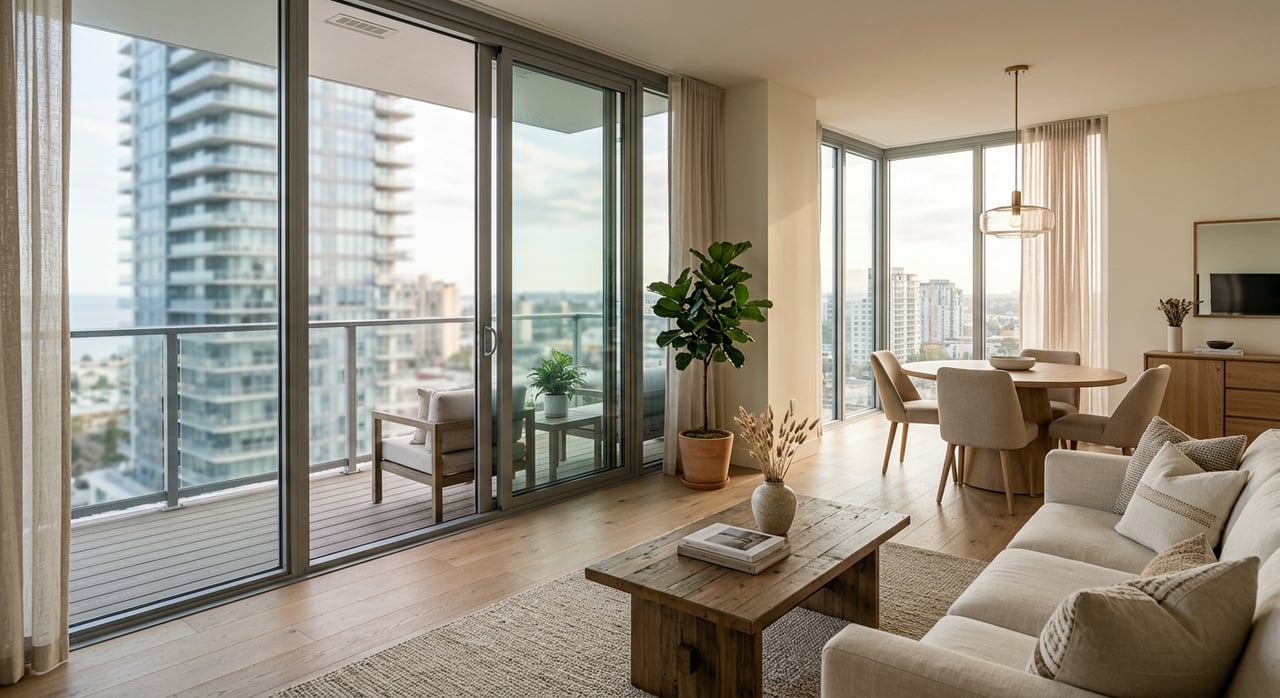
Thinking about buying a high-rise condo in Downtown San Diego? The view can be exciting, the amenities can look impressive, and the walkable lifestyle can feel like a perfect fit. But before you fall in love with a unit, you need a plan that looks beyond the finishes and focuses on the details that shape your daily life and long-term costs. Let’s dive in.
Know the Downtown San Diego landscape
Downtown San Diego is not one single neighborhood. It includes Gaslamp, East Village, Columbia, Marina, Cortez, Little Italy, Horton Plaza, and Core, and the City describes Downtown as a major center of activity for the region.
That matters because each area can offer a different feel, building mix, and street experience. Downtown is also continuing to grow, with the City noting ongoing development activity and more homes being added near work, transit, recreation, and culture.
For buyers, this means you are not just choosing a condo. You are choosing a building, a block, and a part of Downtown that may keep evolving after you move in.
Start with the current condo market
Current market conditions can give you useful breathing room. Redfin’s Downtown San Diego condo data shows 343 condos for sale, a median listing price of $700,000, and an average market time of about 58 days, with homes receiving 1 offer on average.
That suggests you may have room to compare options instead of rushing into the first attractive unit you see. In a high-rise search, that extra time can help you evaluate the full picture, including HOA quality, parking rights, reserve strength, amenities, and the staying power of a view.
Review HOA documents early
In California, buying a condo automatically makes you a member of the homeowners association. That is why the HOA paperwork is not background material. It is a major part of what you are buying.
The California Department of Real Estate explains that CC&Rs, bylaws, and articles of incorporation are the governing documents for the association. These documents can shape daily life in ways many buyers do not expect, including rules for parking, balconies, decks, and use of common areas.
If you are comparing two similar units in different towers, the stronger choice is not always the one with the prettier kitchen. Often, it is the one with clearer rules, stronger finances, and fewer surprises.
Key HOA documents to request
- CC&Rs
- Bylaws
- Articles of incorporation
- HOA budget
- Assessment and Reserve Funding Disclosure Summary
Review these together, not one at a time. They help show what the HOA can charge, how the building is managed, and whether the association appears prepared for future repairs and replacements.
Understand dues, reserves, and special assessments
Monthly HOA dues are one of the biggest planning points in a downtown high-rise purchase. According to the California Department of Real Estate, assessments help cover operating costs, common-area maintenance, and long-term reserves.
The reserve side is especially important in high-rise living. California law requires the annual budget report to be accompanied by an Assessment and Reserve Funding Disclosure Summary that shows projected reserve balances and percent funded for the current year and the next five budget years.
In plain terms, this can help you see whether the building is saving enough for major common components over time. If reserves are weak, owners may face more pressure from future cost increases or special assessments.
The DRE also notes that regular assessment increases are generally limited to 20 percent per year without owner approval. Special assessments generally cannot exceed 5 percent of gross budgeted expenses in a fiscal year without owner approval.
That does not mean special assessments are rare or harmless. It means you should ask direct questions about recent assessments, expected repair projects, and whether the current reserve funding appears healthy.
Questions to ask about HOA finances
- What does the monthly HOA fee cover?
- How funded are reserves?
- Has the building had recent special assessments?
- Are major repairs or replacements expected soon?
- Is there one HOA fee or more than one layer of dues?
Watch for layered HOA structures
Some larger downtown developments may have a master association and one or more subassociations. That can make monthly ownership costs more complex than they first appear.
Before you write an offer, confirm whether the quoted dues reflect a single HOA or multiple associations. A lower advertised payment may not tell the whole story if additional layers apply.
This is one of those details that can affect both your monthly budget and future resale appeal. Buyers often focus on mortgage payment first, but condo buyers also need a clear view of total building-related costs.
Verify parking rights carefully
Parking is not a minor checkbox in a Downtown San Diego high-rise. It is one of the most important ownership details to verify.
The California Department of Real Estate notes that parking spaces may be designated as exclusive-use common area, and the owner’s rights are found in the deed. That means you should confirm not only that a space exists, but also exactly how your rights to that space are documented.
A smart review includes questions like these: Is the space deeded? Is it exclusive-use? Is it assigned in a way that matches what you expect? Can you realistically use it for your vehicle type and daily routine?
If you plan to own the property long term, parking clarity can also matter at resale. Future buyers may care as much about parking usability as they do about the look of the unit itself.
Plan ahead for EV charging
If electric vehicle charging matters to you, look at this before closing, not after move-in. California Civil Code Section 4745 says HOA restrictions that effectively prohibit or unreasonably restrict EV charging in a unit or designated parking space are void and unenforceable.
Still, that does not mean installation is automatic. Owners must follow association approval procedures, use a licensed contractor, carry insurance, and pay related costs.
That is why the location and legal status of your parking space matter so much. A building may allow EV charging in principle, but the real-world ease of installation can depend on where your parking is and how your rights are structured.
Treat views as valuable, not guaranteed
Bay views, skyline views, and open-sky exposure are a major reason many buyers choose Downtown San Diego. But a current view is not always a permanent one.
City documents describe public view corridors and related design standards that help preserve scenic resources such as San Diego Bay, the Coronado Bridge, Point Loma, Coronado, and the downtown skyline. At the same time, the City’s Downtown development framework allows many projects to pursue substantial density and height through a by-right process, up to FAA allowance.
The practical takeaway is simple. Do not judge a view only by what you see today. Also look at nearby parcels, surrounding development patterns, and whether the area around the building may change over time.
Check balcony and deck rules
Balconies can be a major part of high-rise living, especially if you are hoping for outdoor seating, plants, or a grill. But condo ownership does not always give you unlimited freedom in those spaces.
The DRE explains that association rules may govern what can be placed on a balcony or deck. That can include limits related to storage, grills, planters, shades, or exterior décor.
If balcony use matters to you, ask to see the written rules before you commit. A beautiful outdoor space only adds value if it works the way you want to live.
Understand the real cost of amenities
Pools, fitness areas, lounges, and other common facilities can make a downtown tower feel like a lifestyle upgrade. They can also raise long-term ownership costs.
The DRE notes that common facilities are part of why many people buy into a common-interest development. But those same facilities bring ongoing insurance, maintenance, and replacement costs that the HOA must fund.
This is where reserve strength matters again. In buildings with expensive amenities, weak reserves can increase the risk of future special assessments or higher dues.
Think ahead about rental flexibility
If you may rent out the condo later, be careful not to assume every tower works the same way. Your future flexibility may depend on both the building’s governing documents and City rules.
The City of San Diego says that if a dwelling unit is rented for less than one month per guest stay, the owner must obtain a Transient Occupancy Tax certificate, collect and remit TOT, and also hold a Short-Term Residential Occupancy license. The City’s rental-tax rules apply to residential real estate, including condos.
California Civil Code Section 4740 also matters. In many cases, a common-interest development may not prohibit the rental or lease of a separate interest if the restriction was not already in effect before the owner took title.
That does not override an existing building rule or the City’s short-term occupancy requirements. It does mean you should separate two different questions: whether long-term leasing is allowed, and whether short-term hosting fits both the CC&Rs and City rules.
Use resale thinking when you buy
A smart purchase plan includes your future exit strategy, even if you expect to stay for years. In the current Downtown market, with broad inventory and average market time around 58 days, future buyers are likely to compare properties carefully.
That means resale value may depend heavily on factors like monthly dues, reserve health, parking rights, amenity quality, and whether a view is likely to hold up against future development. Cosmetic style matters, but these building-level details often matter more over time.
If you buy with resale in mind, you can make a decision that works for your lifestyle now and protects your position later.
A practical high-rise buying checklist
Before you move forward on a Downtown San Diego condo, try to answer these questions:
- What neighborhood within Downtown best fits your routine and priorities?
- What exactly do the HOA dues cover?
- How healthy are the building reserves?
- Has the HOA had recent or likely special assessments?
- Is there a master association or layered dues structure?
- Is the parking deeded, exclusive-use, or otherwise documented?
- If you want EV charging, is your parking setup realistic for installation?
- Are there balcony or deck rules that affect how you want to live?
- Are the amenities supported by solid budgeting and reserves?
- If you may rent later, do the CC&Rs and City rules allow your intended use?
- Could future nearby development affect the unit’s view or outlook?
Buying a high-rise condo in Downtown San Diego can be a great move when you look past the sales brochure and evaluate the building with care. If you want guidance that is detailed, responsive, and centered on your goals, connect with Angelica Martinez for a white-glove consultation.
FAQs
What should you review before buying a Downtown San Diego high-rise condo?
- Review the CC&Rs, bylaws, articles of incorporation, HOA budget, reserve disclosure summary, parking documentation, and any rules that affect balconies, amenities, or rentals.
How important are HOA reserves in a Downtown San Diego condo building?
- HOA reserves are very important because they help fund long-term repairs and replacements, and weak reserves can increase the risk of higher dues or special assessments.
Can you install EV charging in a Downtown San Diego condo parking space?
- In many cases, California law protects your ability to install EV charging in a unit or designated parking space, but you still need HOA approval, a licensed contractor, insurance, and you must pay the related costs.
Are Downtown San Diego condo views protected forever?
- Not always. Some public view corridors and design standards exist, but nearby development and allowed building height can still affect a unit’s future outlook.
Can you rent out a Downtown San Diego high-rise condo later?
- It depends on the building’s existing governing documents and City rules, especially if you are considering short-term stays of less than one month per guest.
Why does parking documentation matter in a Downtown San Diego condo purchase?
- Parking rights can affect daily convenience, EV charging options, and resale value, so you should confirm whether the space is deeded, exclusive-use, or otherwise documented in a way that matches your expectations.
